
 (This post is part of a series on travel nutrition by April Davis, RD, CD, CES. That's her above, practicing what she preaches!)
Positive Food Experiences with People to People
I recently had the opportunity to travel overseas with a People to People Student Delegation. I went to Italy and the French Riviera with delegation MH 0622110 out of Philadelphia. During my observation, we traveled to Rome, Assisi, Florence, Pisa, Montecatini, and Cinque Terra, Italy; Monaco; and Cannes and Nice, France.
Yes - it was amazing! But most importantly, during this experience, I was able to observe nutrition practices, meals served, and overall acceptance by students. It's important to consider these factors in conjunction with students' daily schedule and emotional and physical states during their time away from home.
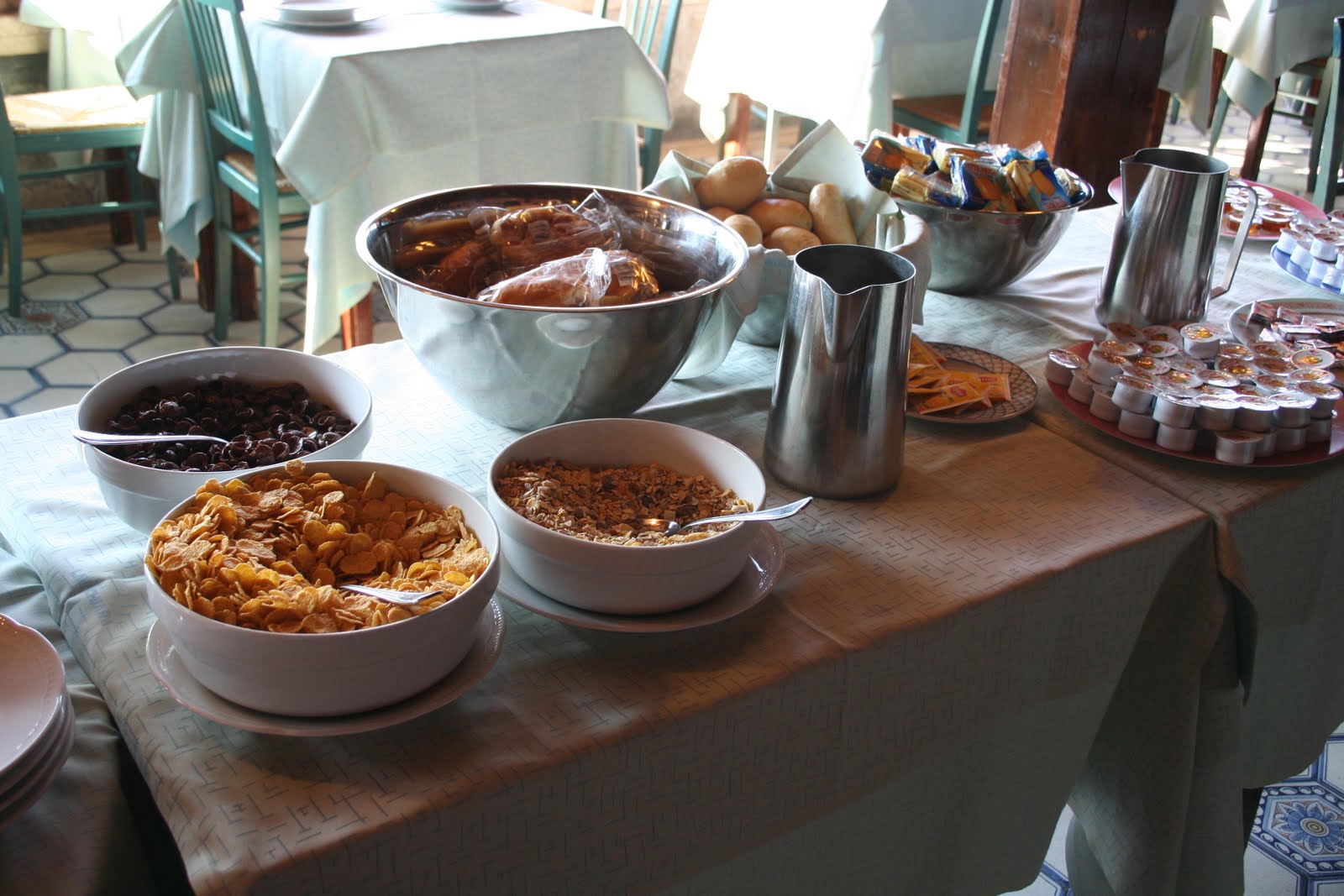
(Above, a photo of one of our breakfast buffets at a hotel in Italy. We had ample fluid choices including water, milk, juice, hot chocolate, coffee and tea.)
During my ten-day observation, I assessed adherence to meal plans, portions, presentation, palatability, and quality of foods served, as well as student satisfaction with the food. I witnessed numerous positive experiences and reactions while observing the delegation, including: adequate portion sizes, friendly and efficient restaurant service, agreeable palatability, and several unique food presentations.
It's Not Just the Food that Makes for a Positive Experience. It's the Water, too!
Something that was regularly stressed by the Delegation Manager and Leaders - but often disregarded by Student Ambassadors - was ensuring sufficient fluid intake. Given the active daily schedule, warm climate, possible sleep deprivation, and fluid losses that occur during airline travel, an increased intake of liquids - namely water - is required of Student Ambassadors.

(A scenic photo of the water in Cannes, France - although it's not the type of water I'd recommend drinking!)
As mentioned in one of my earlier blog posts, preventing dehydration during travel is the most vital factor in maintaining energy levels, overcoming jet lag, and staying healthy. Not only does dehydration have a negative impact on controlling body temperature, but it also affects heart function and transport of oxygen and nutrients to the working muscles. Poor fluid intake leads to fatigue and a delayed immune response, which greatly increases the chance of becoming ill while traveling.
Soda and other sugary, caffeinated beverages do not help with hydration. In fact, beverages that contain high amounts of sugar can contribute to dehydration and/or intestinal discomfort, dampening physical stamina and emotional health.
Your child can always use a loving reminder to drink lots of water while traveling. Most importantly, help him/her start hydrating at home, before boarding an airplane.

(Photo Credit: ToddMorris via Flickr)
During my time with Student Ambassadors, our Leaders reminded us to bring along our water bottles every morning. Even so, many Student Ambassadors were not proactive in filling their bottles when given the opportunity. On top of that, I saw most Student Ambassadors consuming soda at lunch and dinner. Overall, however, I witnessed a greater adherence to ample water intake toward the end of my observation period, leaving me to believe the Student Ambassadors were catching on!
For more tips on how to encourage Student Ambassadors to stay hydrated during travel, see my previous posts:
- April Davis, RD, CD, CES


 Michael J. Bowers joined People to People Ambassador Programs, the leader in global educational travel experiences, in 2008 as Senior Director, Health & Safety. As the only educational travel organization to employ a full-time director of travel health and safety, People to People Ambassador Programs solidifies its position as a safety leader in the tour operations market.

 Posts


