Showing posts with label Travel Nutrition. Show all posts

Tuesday, May 31, 2011

Food: Medicine for Travel (Part Deux)

Our overall health can be highly influenced by the foods we eat on a daily basis. In my last blog post, I talked about nature’s medicine for travel with an emphasis on herbs and spices. That was only the tip of the iceberg! Due to the prodigious feedback I received from that post, I decided to stick with this topic and offer some additional advice for common travel ailments and foods to gravitate toward while roaming abroad.

Diarrhea: a spontaneous and ever fluid companion
Even though nobody wants to talk, or even think about it, diarrhea often rears its ugly little head during travel. This is because your gut is likely not accustomed to the spices or richness of the new foods you will be trying in other countries. Even slight changes in your sleeping pattern, environment, and activity level can be enough to trigger the onset of diarrhea.

As a clinical dietitian, I work with children who have cancer and suffer from chronic diarrhea as a side effect of the chemotherapy treatments. In my experience, white starchy foods have been the most helpful in alleviating this symptom.
  • Mashed potatoes (no peels), soda crackers, white rice, Italian or French bread/toast, and pasta are some excellent examples of beneficial starchy foods to eat when you have diarrhea.
  • Another top gun for this trip disruptor is soluble fiber. Many people think fiber is not good for you when you have diarrhea, but soluble fiber is very helpful. It forms a gel with the water in your intestines and bulks things up. Oatmeal and oat bran, along with the insides of beans, peas, and many fruits are great sources of soluble fiber.
  • Because your body loses lots of water when you have diarrhea, be sure to stay fully hydrated with drinks that contain electrolytes, such as potassium, magnesium, and sodium. Coconut water or sports drinks are excellent restorative beverages.
Vacation Constipation: stops you in your tracks
Another very common complaint during travel is the inverse to diarrhea: constipation. The main contributors to this uncomfortable condition include changes in food patterns and composition, dehydration, lack of sleep, and a decrease in activity level. All of these things tend to occur while exploring the world, thus the reason for such a high frequency of this problem with travel.

In the hospital, I also work with a lot of people who deal with constipation as a side effect of their pain medications. While we have all heard that prune juice is a good cure, I most commonly recommend fruit nectar (specifically, apricot, peach, or pear nectar) since it tastes so much better and can be just as effective. These fruits are helpful because they contain high amounts of sorbitol, a natural laxative. So, if you are traveling and experience constipation, be sure to eat these three fruits or drink their juices whenever possible.

Just like with diarrhea, fiber can also be your wingman for combating constipation. However, to fight this enemy you need to consume insoluble fiber rather than soluble fiber. Insoluble fiber is the indigestible part of foods, such as the seeds in berries, skin on fruit, vegetables, and beans, the chewy part of celery, or the husk on whole grains and brown rice.
  • Tip: If you are eating high amounts of foods that help alleviate diarrhea, and you do not have diarrhea, there is a good chance you may become constipated. To avoid this problem, be sure to balance foods from both areas under when your gut is working normally.
Stomach Upset/Nausea: a potion for motion, what a notion
Queasiness or general stomach upset is often experienced during travel because our sense of balance and equilibrium is disrupted as unusual motion is detected by the eyes and ears. This is most commonly referred to as motion sickness. Studies have shown ginger to be as effective as prescription drugs in relieving mild to moderate nausea and cold sweats related to motion sickness.
  • Try any of the following: gingersnaps, gingerbread, ginger ale, ginger tea or ginger candies. In many Asian countries, you may be able to find pickled ginger or raw ginger to gnaw on when you need a quick stomach stabilizer.

You can find most or all of the foods mentioned in this blog during your travel experience with People to People Student Ambassador Program.

Happy, healthy, and safe travels!

Warmly,
April D. Davis, RD, CD, ACSM CES
[Image Credits – Oatmeal Toast: www. feedingmyenthusiasms.blogspot.com ; Chewy Celery: www.mongoldude.com; Ginger Tea and Biscuits: www.1001recipe.com]

Friday, May 6, 2011

Food: Medicine for Travel

Not only does food provide energy and nutrients to help our bodies run on a daily basis, but it contains nature’s cure to many ailments you may experience while traveling. There is a growing body of knowledge that supports the use of whole foods in the maintenance of health and the treatment of illness.

Did you know herbs and spices can offer many of the same benefits found in fresh fruits and vegetables AND help remedy common travel-related sicknesses? For example, basil has been shown to help fight colds, diarrhea, and kidney disease. Unlike the pills and syrups found in your medicine cabinets, these natural “medicines” promote the healing process, rather than suppress symptoms. Spices are the seasonings for food that come from the bark, buds, fruit or flower parts, roots, seeds or stems of various aromatic plants and trees. Herbs are the leafy parts of woody plants.

Nature is doing her best each moment to make us well. She exists for no other end. Do not resist. With the least inclination to be well, we should not be sick. - Henry David Thoreau


Student Ambassadors should look for these foods and seasonings during travel to help combat minor illnesses:


Let food be thy medicine and medicine be thy food. - Hippocrates


We can all take a lesson from Hippocrates and improve our health during travel through natural food sources. Explore, learn, and live well!


Warmly, 

April D. Davis, RD, CD, ACSM CES

[Image Credits - Fresh Basil: www.happybellyfood.wordpress.com; Dried Turkish Apricots: http://www.driedfruits.com.cn; The Power of Bell Peppers: www.gayot.com]

Wednesday, February 9, 2011

Bringing it Back to Basics

Healthy nutrition is important for everyone, especially travelers. During the process of travelling, our bodies may encounter long flights, crossing time zones, and lack of proper rest. At People to People Ambassador Programs we recognize the need for you, the parents of our delegates, to be well informed about healthy nutrition for both your delegates and yourselves. With this goal in mind, last year we developed a partnership with April Davis RD, CD, ACSM CES®, to provide you with important nutritional information and help us improve our menus. As far as we know, our organization is the first to take this dramatic step in improving meal quality and nutritional value and with April’s help we will continue make strides in providing the best travel experience for our delegates.

Starting this week, April will begin her special feature on micro and macronutrient education. Stay tuned for more of April’s entries coming to you every other week through March. As always, I will continue to post health and safety related articles on a weekly basis so please come back at least weekly for the latest and greatest news from your Health and Safety team.

Mike Bowers
Sr. Director Health & Safety


Believe it or not, nutrition is all about biology and chemistry, otherwise known as biochemistry. Your body runs like a well-oiled machine due to the thousands of chemical processes that are occurring inside it every second of every day. It’s important to support these processes fully by providing your body with a wide variety of nutrients. Foods provide the nutrients needed for your body to grow, repair, regulate, and maintain itself.

There are six basic nutrients: carbohydrates, proteins, fats, vitamins, minerals, and water. All of these are classified as essential. Your body requires essential nutrients to function properly. These nutrients must be obtained from the foods you eat; your body cannot make them on its own.

The two major categories of nutrients are macronutrients and micronutrients.
  • You need a large amount of macronutrients on a daily basis. They provide your body with energy in the form of calories. Carbohydrates, proteins and fats are the three macronutrients.

  • Micronutrients such as vitamins and minerals are required in smaller amount, hence the prefix “micro.” Water fits into its own class and requirements for it vary greatly depending on your weight, activity level, and medical condition.
Now let's test your knowledge on the six basic nutrients! (If you're a parent, pass this on to your children). Take this quiz and see how you do.

In upcoming blog posts, I’ll be talking about each of the six basic nutrients in great detail. My focus will be on explaining how each nutrient is used in everyday life, giving examples of healthy food choices, and relaying the unique role each nutrient plays in supporting your child's body during travel abroad.

I would also like to answer questions you have on macro- and micronutrients or nutrition in general. Please reply to this post with your questions and comments so that I can address them in future blogs. It is my goal to cultivate dialogue and education as it relates to nutrition, health, and travel. Thank you in advance for your contributions in helping to make this happen.

Warmly,
By April D. Davis, RD, CD, ACSM CES®

Wednesday, January 12, 2011

PTP Welcomes Registered Dietitian April Davis back for 2011

[Above: April holding up the Leaning Tower of Pisa on her recent adventure with our Mediterranean Traditions delegation]

Who is April Davis?
Last year, April brought People to People Ambassador Programs valuable insight into health and nutrition for our delegates in response to feedback from our delegates and their families. She not only reviewed our meals and recommended changes to provide better and tastier meals on program, but field tested it with delegates on an actual program to make sure it was appropriate for them. Our commitment to a great travel experience runs that deep!

April’s current credentials include being a Registered Dietitian, Certified Dietitian, and American College of Sports Medicine Clinical Exercise Specialist®. For delegates and their parents, her blog posts showcase successful meal planning on our programs, and provide long-term education about healthy living and meal choices. Topics to be covered in upcoming blog entries include:
  • Nutritional food remedies to common travel ailments;
  • An introduction to micro- and macronutrients and why each is important during travel;
  • How to make healthy choices at a buffet;
  • Nutritional values in regional cuisine differences; and
  • Many more important topics you won’t want to miss.
April's update is below. We're glad she's on board!
- Mike Bowers Senior Director of Health & Safety

According to April:
"Last year I worked with People to People Student Ambassador Programs to assist in making recommendations for quality improvement in student acceptability to overseas meals.

[Me with my delegation in Pisa last summer]

"I began by reviewing proposed menus that students follow while traveling. After submitting my suggestions, several adjustments were made as an initial stepping stone to improving post-travel evaluations related to food intake during travel. I also began writing monthly blog posts on the Health & Safety Blog to the parents of delegates to provide nutrition and physical activity recommendations pre- and during travel, along with general tips on hydration, healthy travel snacks, and basic macronutrient education.

"This past summer, I had the opportunity to travel through Italy and the French Riviera with a People to People Student Ambassador Delegation and observe nutrition practices, meals served, and overall acceptance by students. It was important to consider these factors in conjunction with their daily schedule and emotional and physical states. I also assessed adherence to meal plans, portions, presentation, palatability, hydration status, and quality of foods served, as well as student satisfaction. There were numerous positive experiences and reactions that I saw while observing the delegation. Some of these included adequate portion sizes, friendly and efficient restaurant service, agreeable palatability, and several unique food presentations.

"Reflecting on this experience, I am reminded how grateful I am to have had this unique opportunity as a dietitian. It encourages me to spread my wings and delve into any and all possibilities with an open, creative mindset. I whole-heartedly believe that life is what you make of it – so make it something worth remembering and find ways to explore the world (literally or metaphorically) through your knowledge of food science - I look forward to sharing with you in 2011!"
- April Davis, RD, CD, ACSM CES®

Tuesday, December 7, 2010

Bag Jet Lag with Nutrition & Activity


The following is our latest post by April Davis, our resident travel nutrition blogger. Enjoy! - Mike

Jet lag is a common problem when traveling across time zones and may potentially occur during your child’s experience traveling abroad. The great news, however, is that there are several ways to combat or lessen the effects of jet lag through diet and activity. By sharing and heeding to the following information with your child leading up to their departure, you can help prepare them for the best experience possible with People to People Student Ambassador Programs.

Jet lag results from a disruption of the body’s rhythms and sleep-wake cycle. Studies have shown that a child’s prime functioning can be lost after crossing as few as one or two time zones. Symptoms of jet lag are generally more severe when traveling from west to east rather than in the opposite direction.


Typical Symptoms of Jet Lag

  • Fatigue
  • Disturbed sleep pattern
  • Poor concentration
  • Digestive problems
  • Irritability

Both the type of food consumed and timing of meals are important considerations in helping your child adapt to time zone shifts. Although the light-dark cycle is perhaps the most important signal involved in setting the body’s internal clock, the timing of meals and exercise are also vital. The types and amount of food eaten also have some impact. High-protein foods (beans, meat, dairy, fish, nuts, eggs, tofu) stimulate the adrenaline pathway and increase alertness, while helping to stabilize blood sugar and slow down absorption. High-carbohydrate foods (pasta, rice, bread, fruit) aid in serotonin production providing a feeling of drowsiness following ingestion of meals high in carbohydrate. Thus, what and when your child eats may influence the severity and duration of jet lag symptoms.


High-protein foods should be eaten whenever possible at breakfast time and higher-carbohydrate meals at night to help avoid jet lag. Stimulants, such as caffeine in tea and coffee, may be beneficial when taken in the mornings on arrival at the new destination, but are best avoided in the later part of the day. Drinking an adequate amount of fluids is also extremely beneficial, as dehydration can aggravate the symptoms of fatigue and jet lag.


[Image credit: Olastuen via Flickr]


Timeline to Minimize Jet Lag

Months Prior to Travel: Start moving and toning-up. Active individuals usually suffer less from the effects of jet lag, so be sure your child becomes and stays physically active in the months leading up to travel.


1 Week Pre-Travel: Get extra rest. Eat well-balanced meals at times closer to the destination meal times. Have your child begin to sleep, wake, and eat at hours a bit closer to that of the People to People Student Ambassador Program destination time zone. You can help adjust your child’s sleep-wake cycle over 6 days. Make half-hour increment changes each day, for a total adjustment time of up to 2.5 to 3 hours.


1 Day Pre-Travel: Pack healthy, light snacks and exercise for 60 minutes at a moderate intensity level. Save the snacks for the airport and between meals on the plane to maintain energy levels. Good, easy choices include trail mix with dried fruit, sports bars, peanut butter sandwich on whole wheat bread, or veggies with hummus dip. By engaging in moderate activity the day before departure, your child will be much more likely to get a good night’s sleep and feel fresh and alert for the journey ahead.


During Flight: Immediately adjust eating and sleep schedule to destination time zone. Keep hydrated and move around as much as possible. Let your child know that he/she should drink no less than 8 ounces of water every hour while flying to maintain hydration. While awake, get up and walk around at least once every 2 hours. Stretch and tap feet as frequently as possible. Set watch to destination time upon take-off. If your child consumes caffeine, only do so according to the destination time zone.


Upon Arrival: Eat high-protein meals for breakfast whenever possible and lunch and foods higher in carbohydrates and fiber for dinner. Spend time outdoors and stay active during the daylight hours. Attempt to keep the same hours as are typical of the new destination. Carry out as much of the usual home pre-bedtime routine as possible. Continue to drink lots of water and stay hydrated.


Safe travels!

By April D. Davis, RD, CD, ACSM CES®

Wednesday, October 27, 2010

Just Say “No!” to Food-Borne Illness

This is the latest post by April Davis, our resident expert on travel nutrition for our Student Ambassadors. Here she is, washing her hands, as we all should!


One of the most gratifying experiences students can partake in when traveling to foreign countries is enjoying the variety of foods and culture they offer. Eating new and different foods is an important part of the learning experience when traveling with People to People Student Ambassador Programs.

However, eating in a foreign country can lead to a very unpleasant experience if unwelcome organisms are present in the food. People to People Student Ambassador Programs take every precaution to prevent food-borne illness and rely on our worldwide partners to choose local restaurants and hotels that serve not only nutritious and authentic cultural foods, but foods that are safe to eat.

Thus, the concern of contracting a food-borne illness is minimal-to-none at these establishments. However, there are many precautions Student Ambassadors can take to reduce the risk of food-borne illness during free time. One of the best ways to prevent illness is to avoid eating foods sold by street vendors. We cannot guarantee this food is safe.

What are the causes and symptoms of food-borne illnesses?
Most illnesses come from bacteria, viruses, parasites, and chemicals that contaminate food or water. Bacteria such as E. coli, Salmonella, and Shigella are the main offenders of food-borne illness. Some parasites can cause acute diarrhea that may persist for weeks after returning home.

Symptoms of food-borne illness include:
  • Diarrhea
  • Vomiting
  • Stomach Cramps
  • Headache
  • Fatigue
  • Dehydration
Avoid the culprits.
It is important to remind your student that food-borne illness is preventable. The risk of illness will depend on the quality and cleanliness of the food and water consumed and the use of good personal hygiene practices. Certain foods are more likely to contain undesired organisms. Therefore, they are more risky to consume.

The Good:
  • Fruits & veggies that can be peeled or have been washed with clean water.
  • Foods that are thoroughly cooked and served hot. Cold foods that are kept cold.
  • Baked goods, such as bread, muffins, and crackers.
  • Bottled water. Canned, bottled or pasteurized juice.
The Bad:
  • Unwashed, raw fruits & veggies purchased from street vendors.
  • Food from an unclean establishment or person (be sure to wash YOUR hands, too).
  • Foods not held at safe temperatures.
  • Undercooked meat, poultry, pork, or seafood.

The Ugly:
  • Raw red meat, poultry, pork, seafood, or eggs.
  • Unpasteurized dairy products.
  • Leftovers that have been sitting at room temperature.
  • Tap water in countries with unsafe drinking water.
Be smart about what you eat!
The table above indicates some of the things your children can do to reduce the risk of becoming sick while traveling. Enjoy the culture and different types of food while keeping these guidelines in mind. If your child is ever unsure about eating a food, they should use common sense and keep risks to a minimum. A wise person once said: "It is always better to throw out than to throw up!"

By April D. Davis, RD, CD, ACSM CES®

Tuesday, September 28, 2010

Travel Nutrition: D-Lightful News!


Sunlight is good for your health before and during travel. That's me above, working in the sun and getting my Vitamin D.

As our days become shorter and nights longer, I am reminded about the need for vitamin D, which is lacking in many adults and youth in the United States. This sunshine vitamin is actually a hormone that regulates calcium and bone health. It has also been shown to decrease the risk of common cancers, autoimmune diseases, and heart disease. In addition, Vitamin D plays a key role in protecting your immune system and cells.

It is exceedingly beneficial to have adequate vitamin D levels prior to and during travel in order to stay healthy. The great thing about traveling abroad is that many of the countries your Student Ambassador explores allow for higher amounts of vitamin D absorption from sunlight. Furthermore, the travel itinerary involves spending vast amounts of time outdoors, so your Student Ambassador can maintain healthy vitamin D levels during travel.

The table below shows current suggested adequate intake levels for various age groups.* (Please note: obesity requires 2-3 times more Vitamin D than the levels listed below.)


Child's AgeAdequate IntakeSafe Upper Limits
0-1 years
400-1,000 IU
2,000 IU
1-12 years
1,000-2,000 IU
5,000 IU
13+ years
1,500-2,000 IU 10,000 IU

Why is there a prevalence of vitamin D deficiency?

In the United States, typical diets provide about 100 IU per day. Additionally, our bodies do not make vitamin D in the winter due to a low UV index, so anyone living north of Atlanta (or 35 degrees latitude) may be deficient. Fatty fish such as salmon, catfish, and tuna - along with eggs - are a few of the rare natural food sources of vitamin D. Other good sources include milk, yogurt, and cereal because these foods are typically fortified with this vitamin. If you take supplemental vitamin D, it is important to be sure that it is in the form of vitamin D3.

Tips to assure your Student Ambassador gets enough vitamin D pre-travel:
  • Drink 3 glasses of milk per day
  • Take a daily multivitamin with 2000 IU of vitamin D3
  • Take your multivitamin with milk or yogurt for better absorption
  • Spend 10-15 minutes in the sunlight every day, with your arms and legs exposed, without sun protection
For more information on Vitamin D, visit KidsHealth.org.

*Current suggested intake levels were established by Michael J. Holick, PhD, MD: Professor of Medicine, Physiology and Biophysics; Director of General Clinical Research Unit; Director of the Bone Health Care Clinic and Heliotherapy, Light and Skin Research Center at Boston University Medical Center

By April D. Davis, RD, CD, ACSM CES®

Monday, August 16, 2010

Travel Nutrition: Remember to Hydrate!

(This post is part of a series on travel nutrition by April Davis, RD, CD, CES. That's her above, practicing what she preaches!)

Positive Food Experiences with People to People

I recently had the opportunity to travel overseas with a People to People Student Delegation. I went to Italy and the French Riviera with delegation MH 0622110 out of Philadelphia. During my observation, we traveled to Rome, Assisi, Florence, Pisa, Montecatini, and Cinque Terra, Italy; Monaco; and Cannes and Nice, France.

Yes - it was amazing! But most importantly, during this experience, I was able to observe nutrition practices, meals served, and overall acceptance by students. It's important to consider these factors in conjunction with students' daily schedule and emotional and physical states during their time away from home.

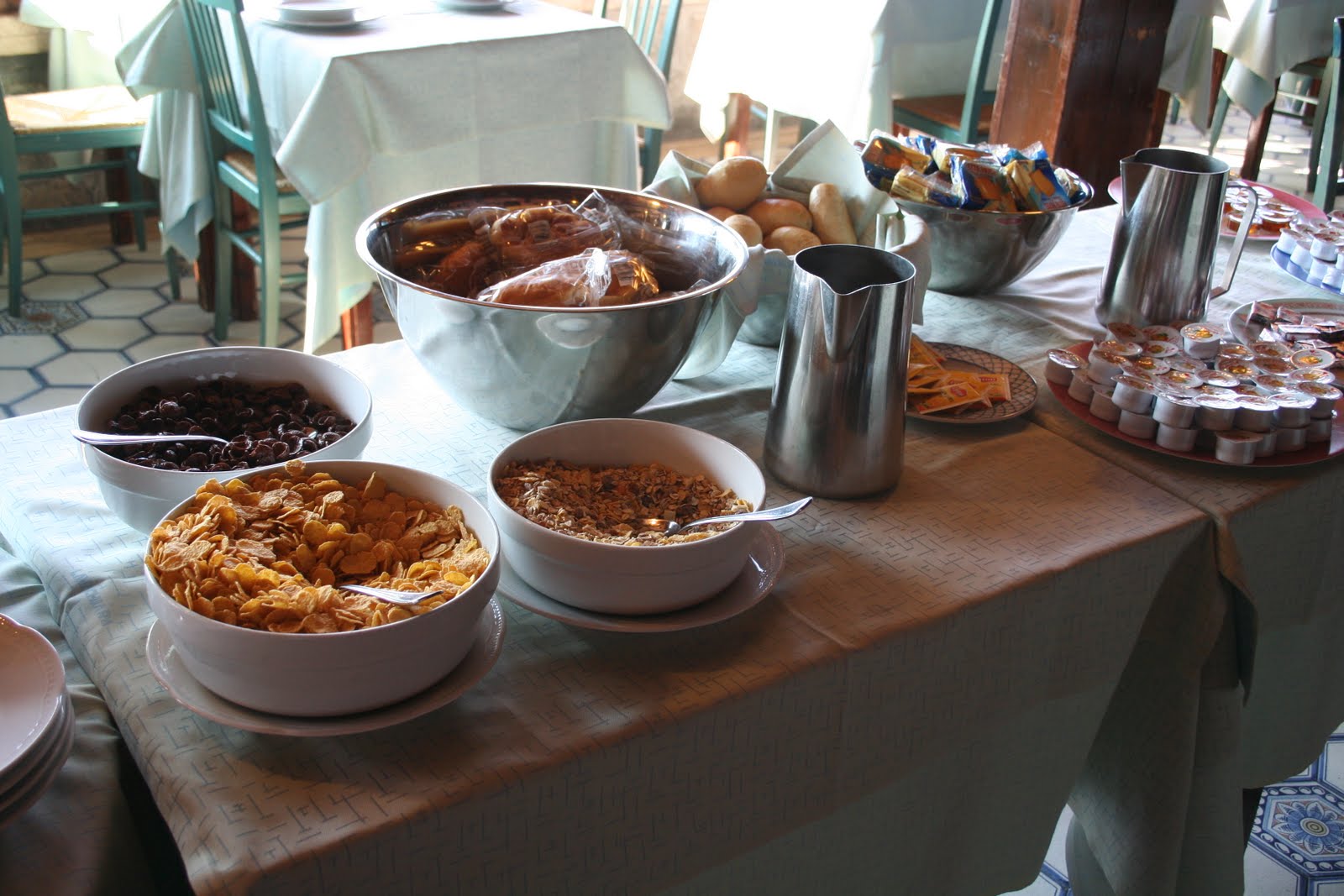
(Above, a photo of one of our breakfast buffets at a hotel in Italy. We had ample fluid choices including water, milk, juice, hot chocolate, coffee and tea.)

During my ten-day observation, I assessed adherence to meal plans, portions, presentation, palatability, and quality of foods served, as well as student satisfaction with the food. I witnessed numerous positive experiences and reactions while observing the delegation, including: adequate portion sizes, friendly and efficient restaurant service, agreeable palatability, and several unique food presentations.

It's Not Just the Food that Makes for a Positive Experience. It's the Water, too!

Something that was regularly stressed by the Delegation Manager and Leaders - but often disregarded by Student Ambassadors - was ensuring sufficient fluid intake. Given the active daily schedule, warm climate, possible sleep deprivation, and fluid losses that occur during airline travel, an increased intake of liquids - namely water - is required of Student Ambassadors.

(A scenic photo of the water in Cannes, France - although it's not the type of water I'd recommend drinking!)

As mentioned in one of my earlier blog posts, preventing dehydration during travel is the most vital factor in maintaining energy levels, overcoming jet lag, and staying healthy. Not only does dehydration have a negative impact on controlling body temperature, but it also affects heart function and transport of oxygen and nutrients to the working muscles. Poor fluid intake leads to fatigue and a delayed immune response, which greatly increases the chance of becoming ill while traveling.

Soda and other sugary, caffeinated beverages do not help with hydration. In fact, beverages that contain high amounts of sugar can contribute to dehydration and/or intestinal discomfort, dampening physical stamina and emotional health.

Your child can always use a loving reminder to drink lots of water while traveling. Most importantly, help him/her start hydrating at home, before boarding an airplane.

(Photo Credit: ToddMorris via Flickr)

During my time with Student Ambassadors, our Leaders reminded us to bring along our water bottles every morning. Even so, many Student Ambassadors were not proactive in filling their bottles when given the opportunity. On top of that, I saw most Student Ambassadors consuming soda at lunch and dinner. Overall, however, I witnessed a greater adherence to ample water intake toward the end of my observation period, leaving me to believe the Student Ambassadors were catching on!

For more tips on how to encourage Student Ambassadors to stay hydrated during travel, see my previous posts:

You can also visit the following links for further information on hydration for parents and teens:
- April Davis, RD, CD, CES

Monday, April 26, 2010

Nutrition for Travel


The top tips for maintaining good nutrition while traveling with People to People Ambassador Programs are to stay hydrated and eat a balanced diet.

Stay Hydrated
Preventing dehydration both before and during travel is vital to maintain energy levels, overcome jet lag, and stay healthy while abroad. Not only does dehydration have a negative impact on body temperature, but it also affects heart function and the transport of oxygen and nutrients to the working muscles. Poor fluid intake leads to fatigue and a delayed immune response, which greatly increases the chance of becoming ill while traveling.

1. Bring a water bottle
  • Student Ambassadors should be in the habit of carrying their water bottles with them wherever they go. This can begin at home weeks prior to travel, which will help ensure adequate hydration before the trip. Be sure to pack the empty bottle in your suitcase rather than carrying it on to avoid delays at airport security .
2. Drink extra on the plane
  • Aim for at least 1 cup of fluid for every hour of travel. Don’t be shy about asking the flight attendants for water. Many international flights have glasses of water already available in the kitchen/galley areas for passengers to help themselves. (This gives you an opportunity to stretch your legs, as well!)
3. Drink beyond thirst
  • Adolescents and children have a diminished thirst sensation. As a Student Ambassador, you will be very active during travel, which will also dull your thirst mechanism and require an increase in fluid intake.
  • In preparation for travel abroad, get in the habit of drinking fluids throughout the day, even when you don’t feel thirsty.
  • When taking fluid breaks, drink more than necessary!
4. Choose water
  • Drinks that contain high amounts of sugar can lead to further dehydration and/or intestinal problems.
  • Limit soda, coffee, and tea, as these act as diuretics and can worsen dehydration.
  • Your delegation manager will be a good source to determine if tap water in a specific country is suitable for drinking or if bottled water is the best option.
Eat a Balanced Diet
A variety of healthy foods, eaten consistently throughout the day, will help ensure adequate blood sugar levels, assist in overcoming jet lag, and increase immune health.

1. Have 3 meals and 2-3 snacks per day
  • Spread snacks and meals evenly throughout the day to maintain energy levels.
  • Snacks should mostly consist of whole grains , fruits , and veggies, but they should also contain some protein to avoid sudden spikes in blood -sugar levels.
  • Portable travel food ideas: If it is available, grab an extra piece of fresh fruit at breakfast to eat as a snack later. There will be many opportunities to purchase snacks along the way. The best choices would include items such as trail mix with dried fruit, cereal, nuts , yogurt , milk , chocolate milk , string cheese , whole -grain crackers , peanut butter , granola bars , and WATER, WATER, WATER!
2. At each meal, choose at least one item from each of the following groups:
  • Whole -grain products
  • Milk products
  • Vegetables and fruit
  • Meat and protein alternatives (nuts, beans, eggs , etc.)
For more information, visit: KidsHealth.org

April Davis, RD, CD, CES

Monday, March 15, 2010

Healthy Habits Begin at Home

Did you know parents have the greatest influence on shaping their children's lifestyle and eating habits? Good nutrition begins at home and is the root of lifelong health. Try these simple tips to help your family eat well and enjoy nutritious foods both at home and while traveling as a Student Ambassador with People to People.

Tips for Developing Healthy Eating Habits
Focus on foods kids should eat instead of what not to eat
– Pack the kitchen with foods that are nutritious and ready to eat, such as:
  • Boldly colored fruits and vegetables. Deep, dark colors provide more disease-fighting nutrients.
  • Whole grains that are rich in fiber.
  • Low fat and fat-free milk, cheese, and yogurt.
  • Fish, eggs, beans, nuts, lean meats, and skinless poultry.
Set a good example – Children are better equipped to make nutritious choices if they see you choosing healthy foods.

Use positive messages – Let kids know that all foods fit into a healthful diet; there are no "good" or "bad" foods. The key is moderation.

Introduce a new food every week
– This encourages children to be open to new things and adds variety to their diets. Allow kids to help choose the foods and make it a positive, fun experience.

Set expectations – For example: Everyone in the family starts the day with breakfast; after-school snacks must include a serving of fruit or vegetables and one whole grain food; soda is reserved for special, rare occasions.

Talk about nutritious choices wherever you go – Talk to kids about smart food choices and how important they are for learning, doing well in school and sports, feeling good, and staying healthy at home and while traveling abroad.

Guide, but don’t steer – Allow your kids to be in the driver’s seat once they know the basic rules for good nutrition. Empower children to make the right choices on their own, even when you’re not around!

April Davis, RD, CD, CES

April Davis: Registered Dietician and Clinical Excercise Specialist

April Davis works at Sacred Heart Children’s Hospital, St. Luke’s Rehabilitation Institute, and Washington State University as a clinical dietitian and nutrition instructor. As a combined Clinical Exercise Specialist and registered dietitian, she is among an elite group of professionals in the United States and abroad. April provides education and nutrition support to adult and pediatric patients in acute care settings with a wide range of medical conditions including diabetes, hypertension, high cholesterol, obesity, metabolism disorders, and heart disease. At Washington State University, she teaches two courses for the Nutrition & Exercise Physiology Program in the College of Pharmacy.

April has also been involved in school nutrition and physical activity policies and procedures as a research assistant for the University of Washington and helped lead a study on the rate of obesity in adolescents for WSU. Prior to becoming a dietitian, April obtained degrees in exercise physiology and metabolism, psychology, and biology and worked for 10 years in social services and counseling. April believes her passion to help individuals overcome obstacles and improve quality of life are what make her strive to become the top in her fields of study.

Mike

Tuesday, March 9, 2010

New Feature: Healthy Eating Tips!

My intent when I started this blog was to provide a forum where information could be shared with our Ambassadors and families of those traveling on our programs. Generally, my posts have focused on the things we do at People to People Ambassador Programs to make sure every student stays healthy and safe while traveling with us on one of our life-changing experiences around the world. Today, I would like to introduce something new that not only will enhance the student’s experience while traveling, but may also have an impact on the entire family year-round.

I want to continue to add value to your visits to my blog. Today, I am proud to announce the addition of a new feature: regular posts on the value of a nutritionally balanced diet.

Innovation
The Travel Service and Health and Safety teams at People to People Ambassador Programs have recently entered into a partnership with a pediatric dietician for our Student and Sports Ambassador programs. At People to People Ambassador Programs, we all work together with a clear set of values. One of these values is innovation, especially in our commitment to excellence in the delivery of these life-changing experiences. To that end, we have brought in an expert to help us enhance our meal services on all student and sports programs throughout the world. Our objective with her blog posts will be to showcase successful meal planning on our programs, as well as provide long-term education about healthy living and meal choices for our delegates and their families.

April Davis
Let me now introduce April Davis, CES, CD, RD, who works at Sacred Heart Children’s Hospital, St. Luke’s Rehabilitation Institute, and Washington State University as a clinical dietitian and nutrition instructor in Spokane, Washington. As a combined clinical exercise specialist and registered dietitian, she is among an elite group of professionals in the United States and abroad. April provides education and nutrition support to adult and pediatric patients in acute care settings with a wide range of medical conditions including diabetes, hypertension, high cholesterol, obesity, metabolism disorders, and heart disease. At Washington State University, she teaches two courses in nutrition and exercise physiology in the College of Pharmacy. April has also been involved in school nutrition and physical activity policies and procedures as a research assistant for the University of Washington and helped lead a study on the rate of obesity in adolescents for Washington State University.

Prior to becoming a dietitian, April obtained degrees in exercise physiology and metabolism, psychology, and biology and worked for 10 years in social services and counseling. April believes her passion to help individuals overcome obstacles and improve quality of life are what make her strive to become the top in her fields of study, and that is another reason why we are so pleased to welcome her to our team!

She Will be Blogging
April will post new articles at the beginning of each month. Topics to be covered in upcoming blog entries will include: healthy habits at home, making good choices while traveling, tip sheets to help decision making, and how to enjoy a cultural eating experience, as well as many more important topics you won’t want to miss.

Over the next several months, we’ll continue to enhance the information on my blog. The addition of April’s expertise is just one example of the kinds of enhancements that People to People Ambassador Programs has made to solidify our position as the leader in the educational travel industry in health and safety practices.

Until next time, wishing you safe and happy travels!

Mike